
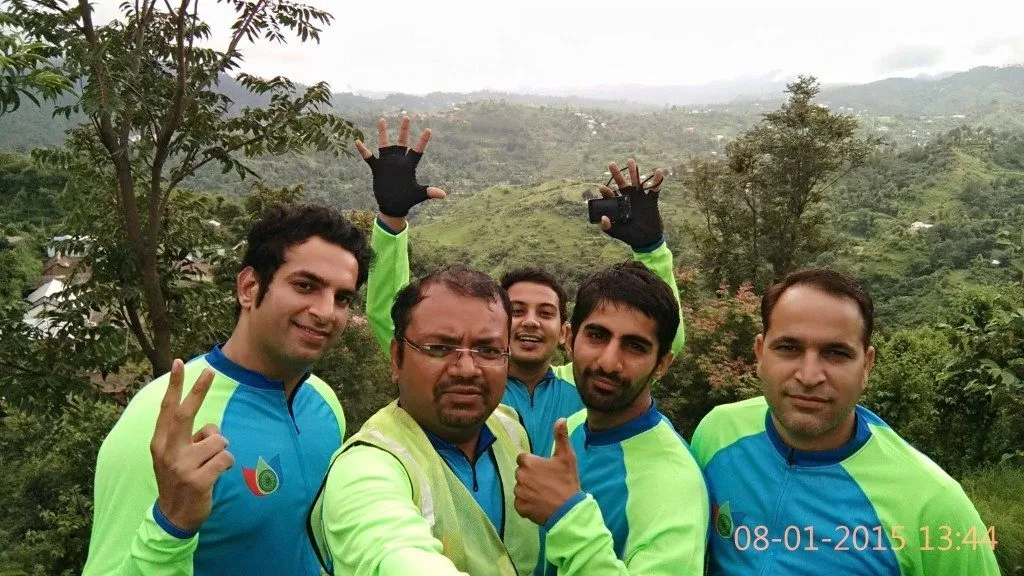
Village Phagera
How water management and vermicomposting lifted a rural economy, in the words of the farmer we worked with.
Our life depends on the land around us
Our need for food, water and shelter depends on the environment around us. It shapes our growth and our quality of life, and there is a natural balance between people, plants and animals.
Farming is our main livelihood, and the land must be protected from degradation. Our fertile fields in Phagera and the surrounding area need a lot of water. Chemical fertilizers reduce the land's productivity over time and make crops dependent on ever more inputs. Soil fertility can instead be kept up with organic inputs such as decomposed manure and vermicompost.
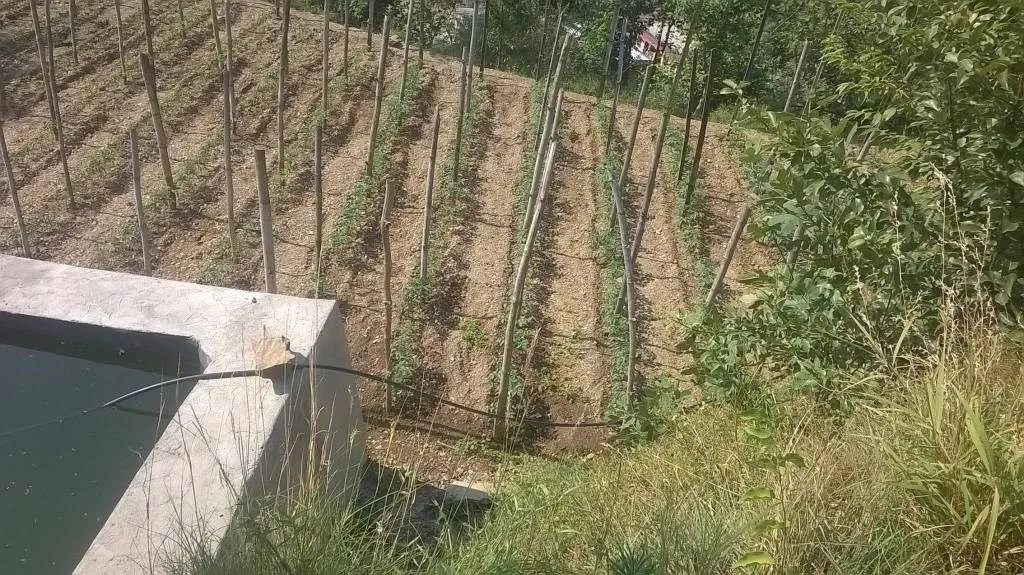
Together with Green Shakti Foundation we started a mission for water conservation, rainwater harvesting and vermicomposting, practised in different ways and at different scales. The foundation has also worked actively to spread the message and encourage people to make positive changes.
Riding to Phagera







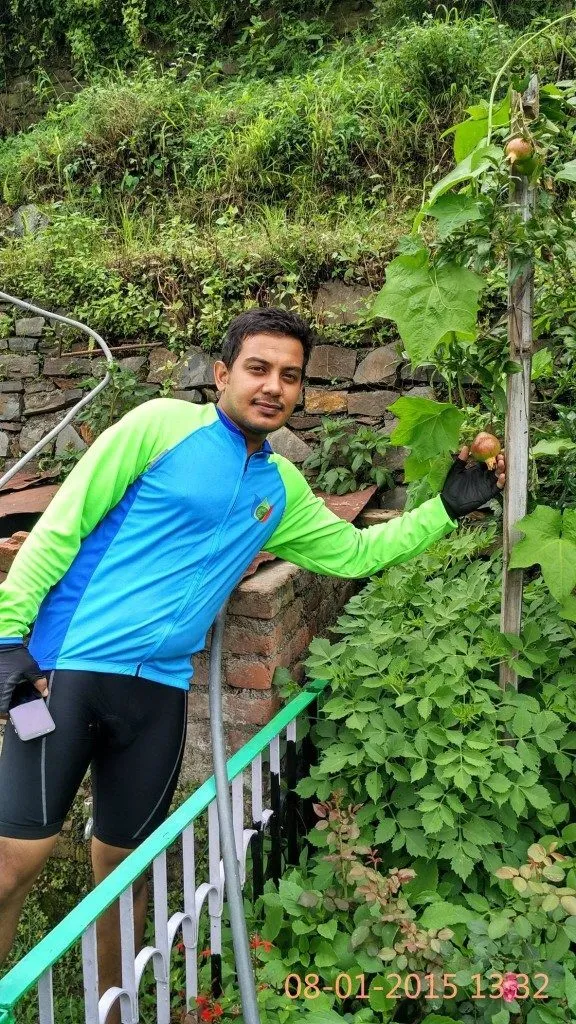
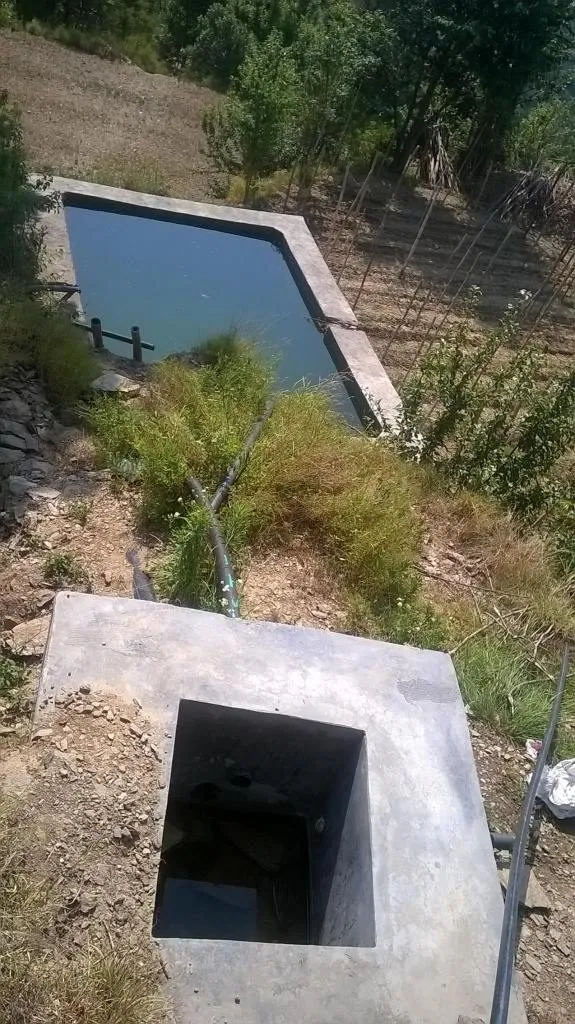
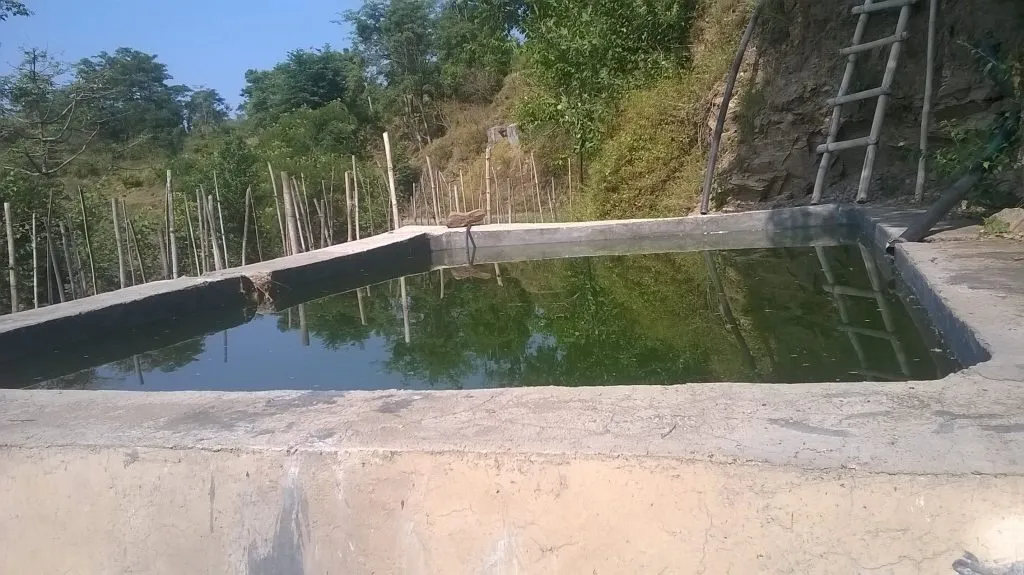
Harvesting rain for cash crops
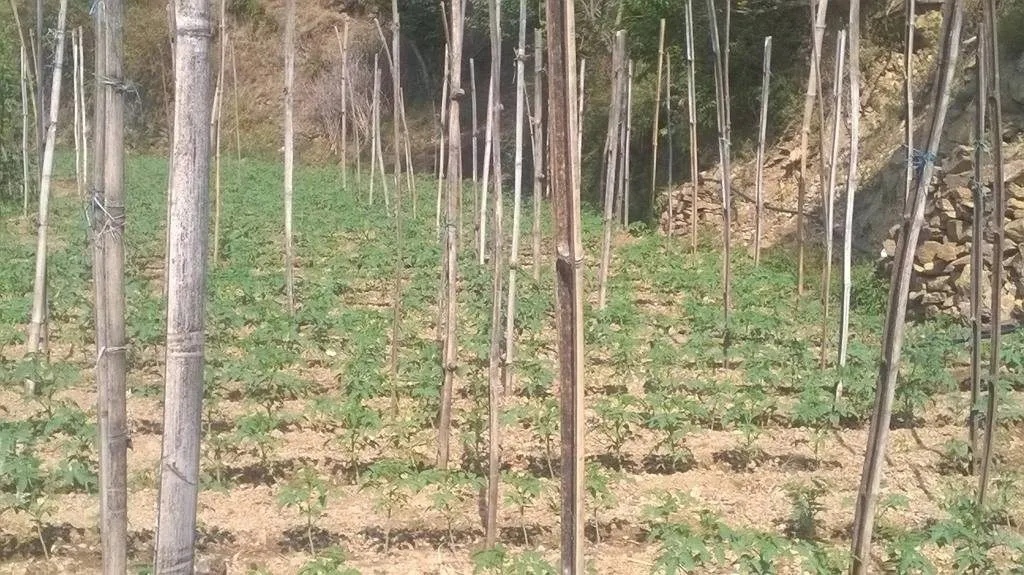
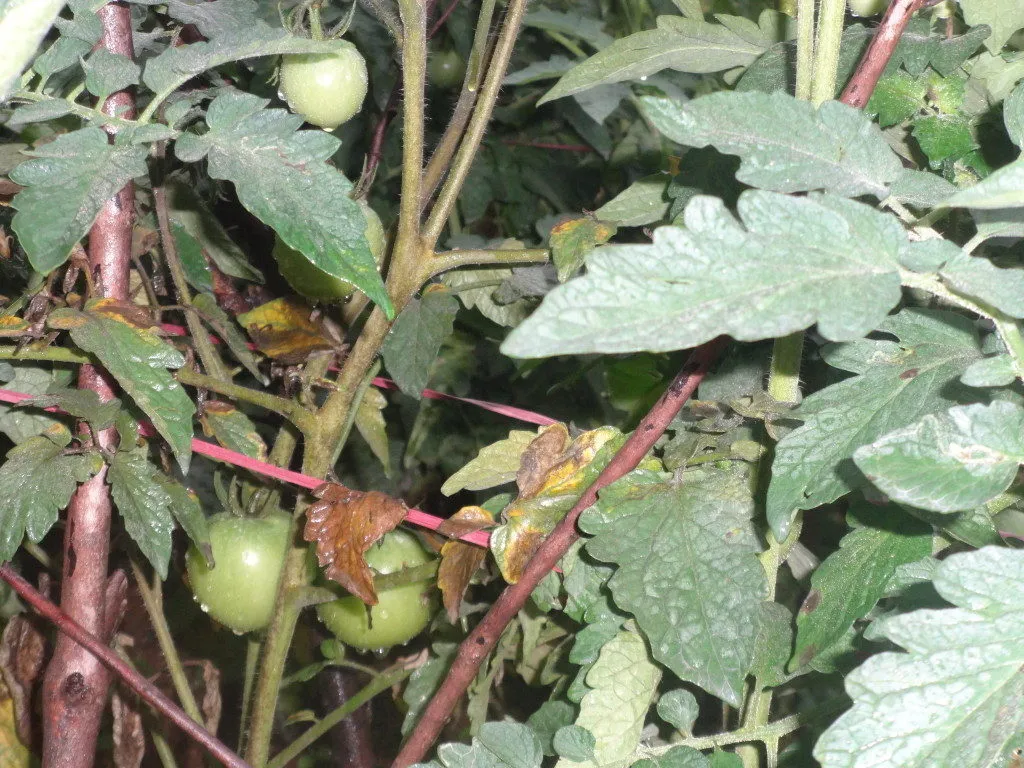
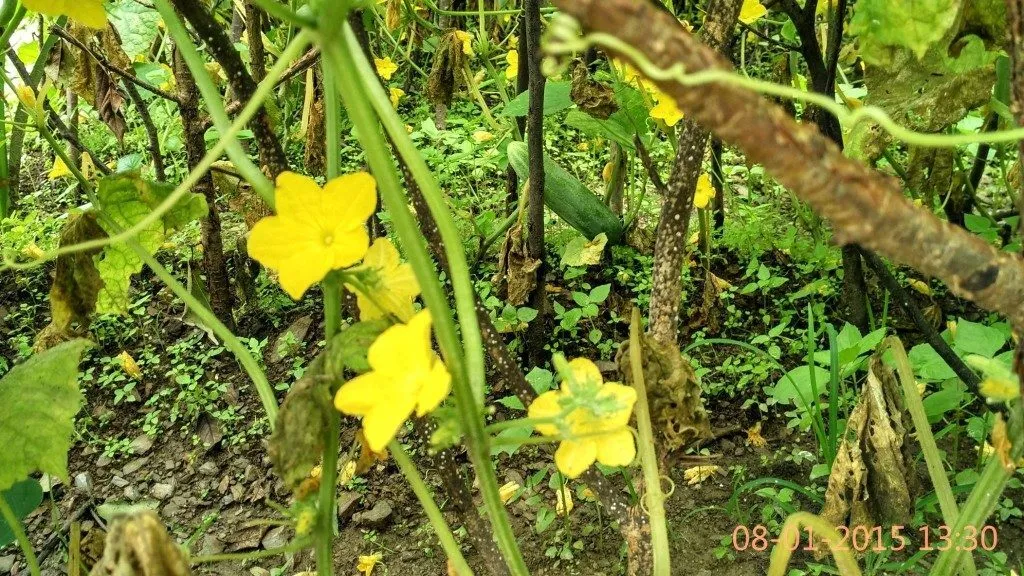
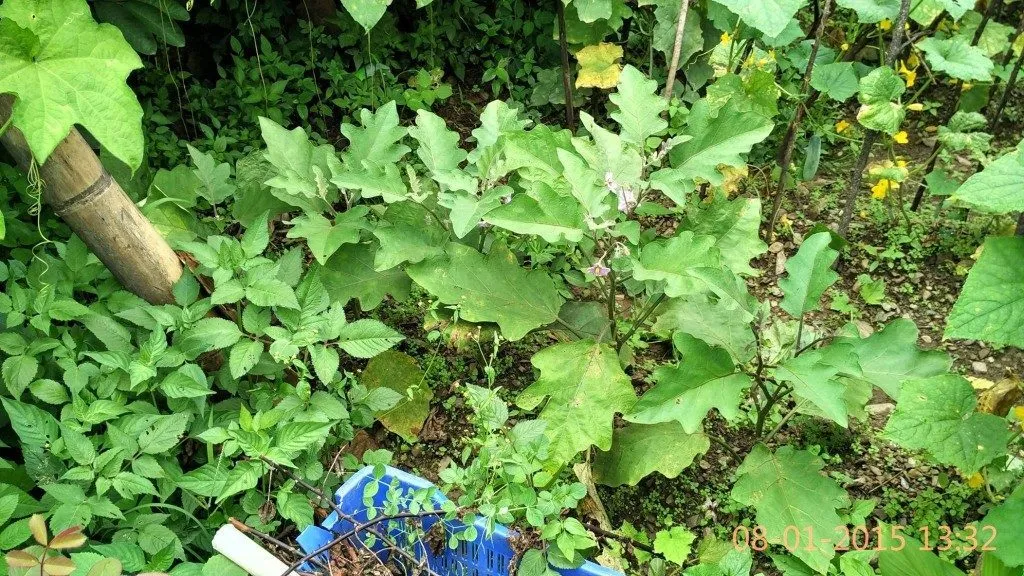
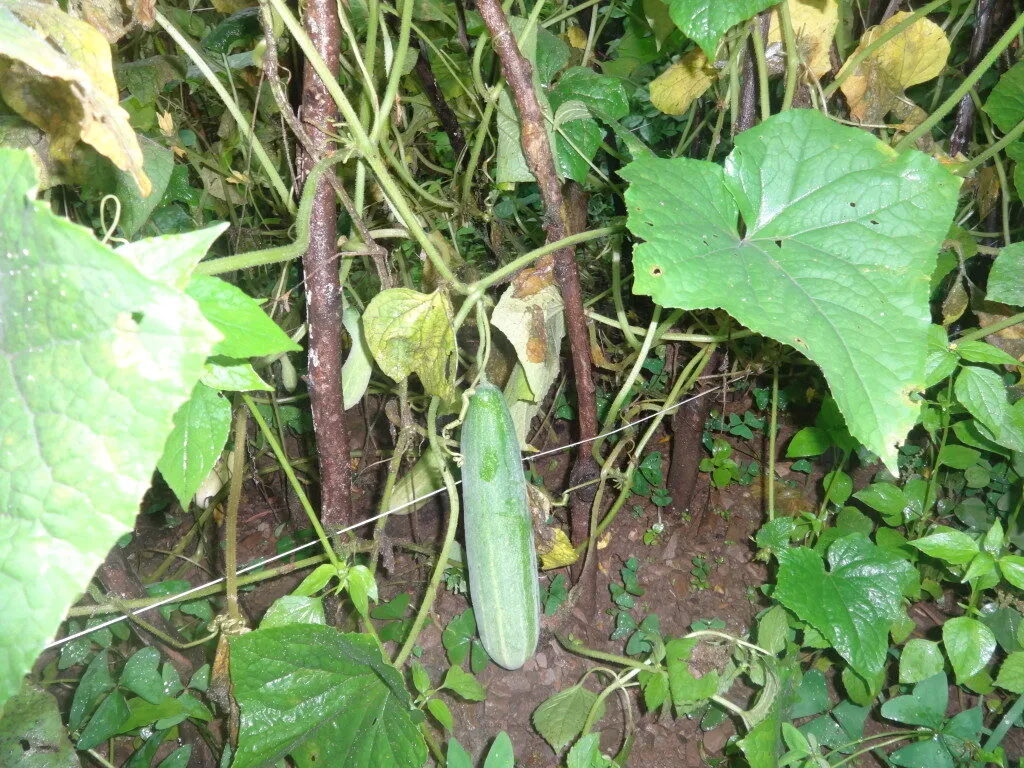
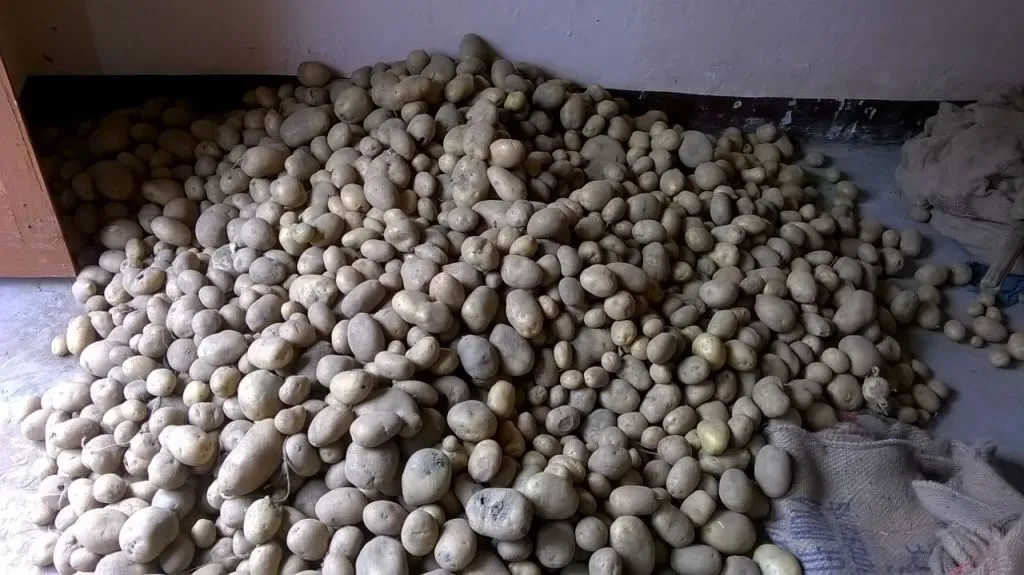
We grow cash crops such as tomato, capsicum, ginger, cucumber, cauliflower, cabbage and potato, which need frequent watering, especially at the start. Since the village adopted water conservation and harvesting, we have seen clear benefits:
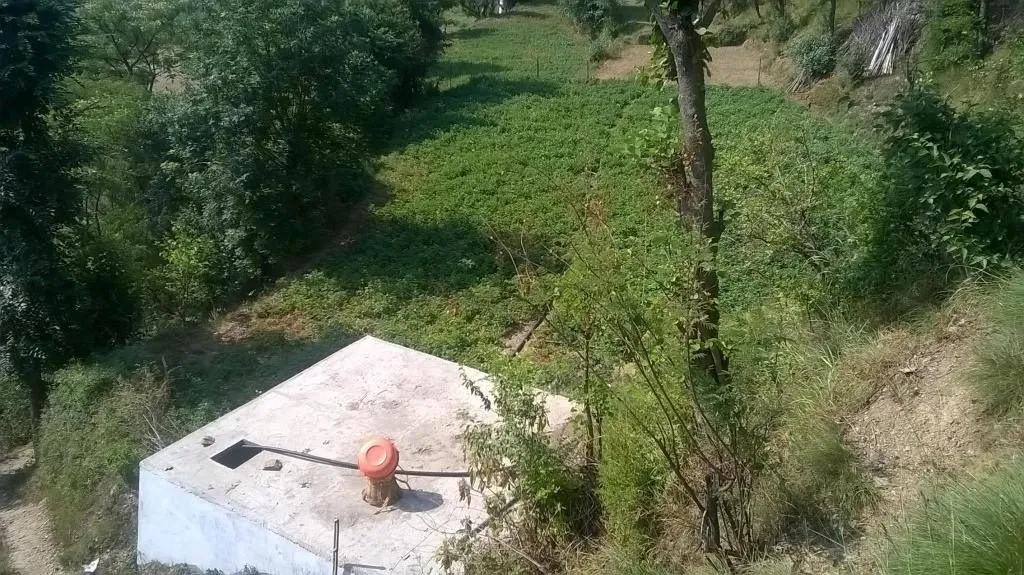
- Water is on hand when crops need it most, especially in the early stages.
- Reliable water lets farmers grow more valuable crops, such as cauliflower and capsicum.
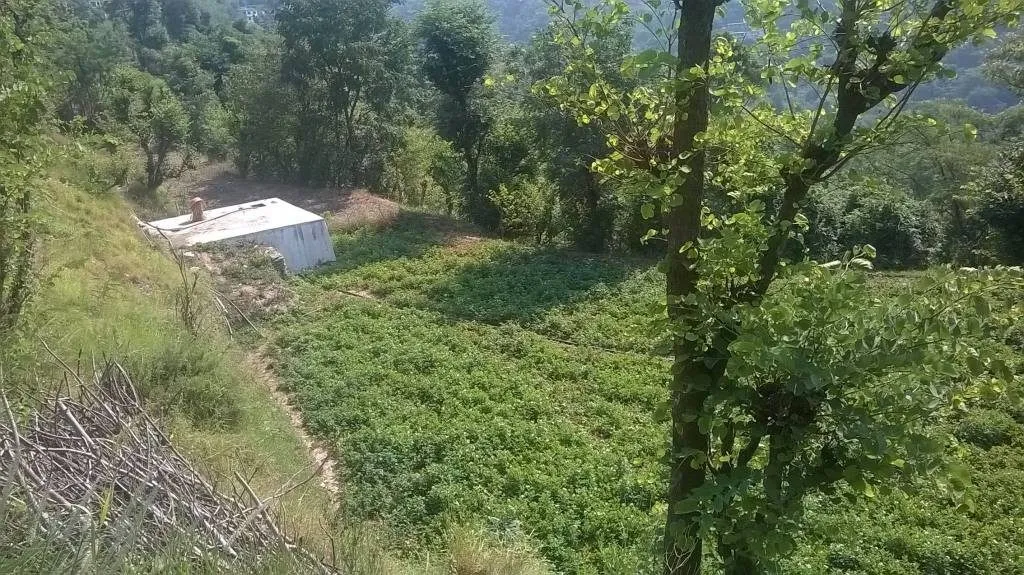
- Building the two village tanks gave local labourers paid work.
- Waste land has been brought under cultivation now that water is available.
- The system needs very little labour to manage, so farmers save on costs.
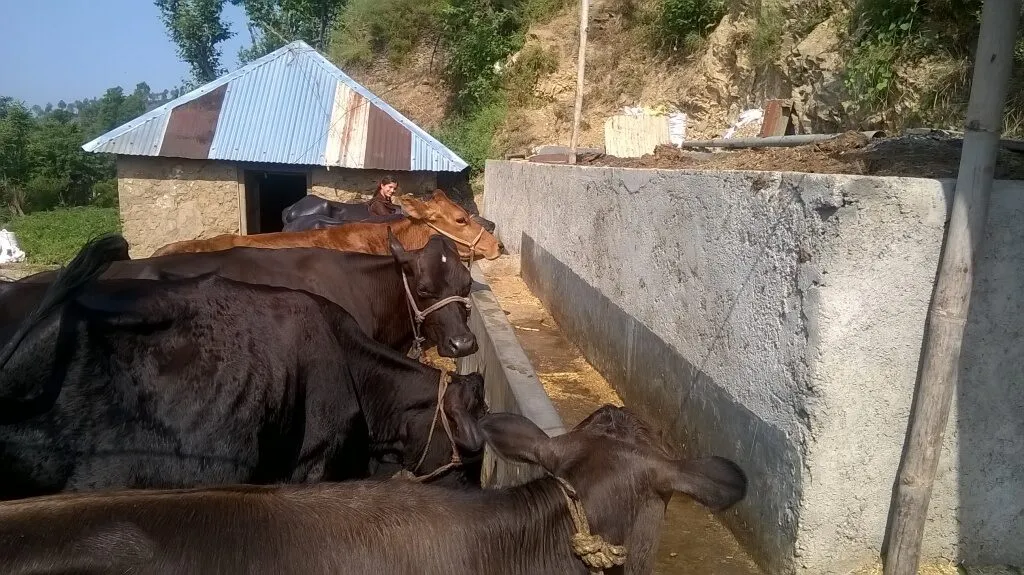
- Cattle have enough drinking water, so dairy has become a dependable second income.
- Incomes have risen, and farmers are now investing in rainwater harvesting on their own.
- People no longer need to migrate in search of water. They can earn at home.
Feeding the soil, not the chemical habit
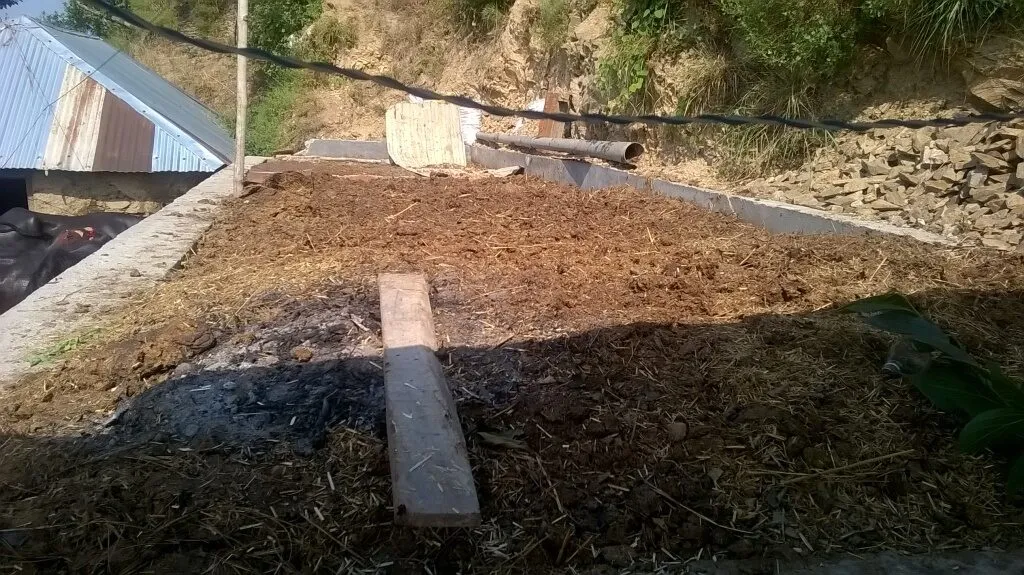
We now make vermicompost in the village, using manure from the dairy cattle we keep alongside our farms, with bedding material. We built a tank about 15 feet long and 3 feet wide and deep for the worm beds, mixing cattle manure with worms and decomposing vegetable and food waste.
Composting takes 60 to 100 days, and the compost is ready when a granular layer forms on the surface. We then use it on our fields to raise productivity. To farm fully organically, farmers need a close knowledge of their land and soil, so training is the next step.
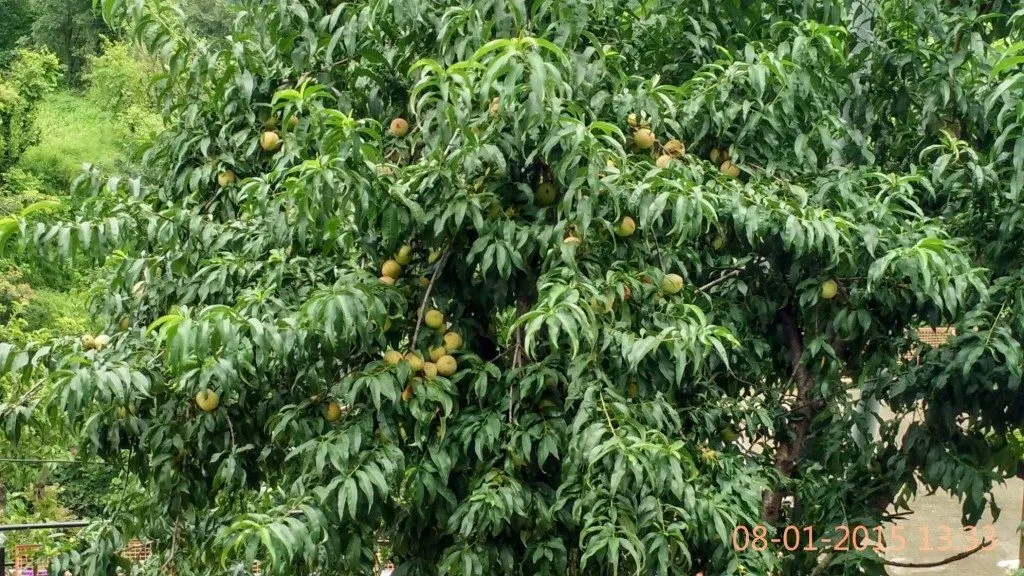
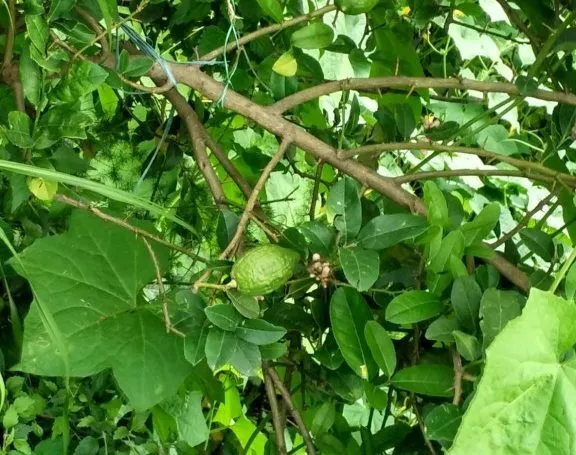
Fresh organic produce
I wish to express my heartfelt gratitude to Green Shakti Foundation for helping finance our project. With its support, awareness campaigns have also been run at schools, colleges and other institutions to motivate students to protect their environment. Awareness of water storage has brought real change to farmers' lives. The initial funding also helped us prepare and apply with confidence for further funding from the Government of Himachal Pradesh.
Join the work
Volunteer on a ride, organize a visit for your company to the Ganga ghats, or register as a blood donor for children who need it.